

Introduction
Inflation updates are now part of everyday conversations. People hear about rising prices, changing interest rates, and shifting markets almost daily. However, many beginners still feel confused about what these updates really mean and how they affect daily life. This is why understanding inflation updates in simple terms is so important today.
In recent years, inflation has influenced food costs, fuel prices, rent, and even online services. As a result, households and businesses closely follow inflation updates to make smarter decisions. Whether you are planning a budget, saving money, or thinking about investments, these updates can guide you in the right direction.
Moreover, inflation updates help explain why prices move up or down over time. They also show how governments and central banks respond to economic pressure. For beginners, this topic may sound complex at first. However, when explained step by step, it becomes easier to understand and apply in real life.
In this article, you will learn what inflation updates are, why they matter, and how to read them correctly. We will also cover benefits, risks, common mistakes, and expert tips. The goal is to give you clear knowledge so you can feel confident when hearing or reading inflation updates in the news.
What is Inflation Updates?
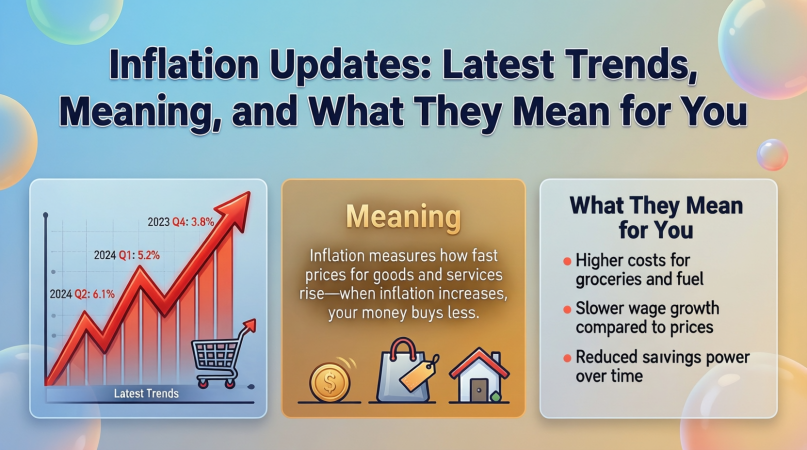
Inflation updates are regular reports and information that show how prices of goods and services change over time. In simple words, they tell us whether money is losing or gaining value.
When inflation rises, the same amount of money buys fewer items. When inflation falls, purchasing power improves. Inflation updates track these changes using data like consumer prices, production costs, and market trends.
Usually, these updates are released monthly or quarterly. They focus on key areas such as food, energy, housing, and transportation. By comparing current prices with past data, inflation updates give a clear picture of economic movement.
For beginners, inflation updates act like a health report of the economy. They show whether economic pressure is building or easing. Therefore, they are watched closely by governments, businesses, and everyday people.
Why is Inflation Updates Important?
Inflation updates are important because they affect almost every financial decision. From shopping to saving, their impact is wide and long lasting.
First, inflation updates influence cost of living. When prices rise quickly, families may struggle to manage expenses. Knowing inflation trends helps people adjust budgets early.
Second, businesses rely on inflation updates to plan pricing and wages. If inflation is high, companies may increase prices or control costs to survive.
Third, governments and central banks use inflation updates to decide interest rates and policies. These decisions then affect loans, mortgages, and job growth.
Finally, inflation updates help investors understand market direction. Even beginners can use these updates to avoid risky decisions and protect their money.
Detailed Step-by-Step Guide
Step 1: Understand the Main Inflation Indicators
Inflation updates are based on specific indicators. The most common ones include consumer prices, wholesale prices, and core inflation. Each indicator highlights a different area of the economy.
Consumer prices focus on daily items. Wholesale prices track business costs. Core inflation removes volatile items like food and energy for clearer trends.
Step 2: Follow the Release Schedule
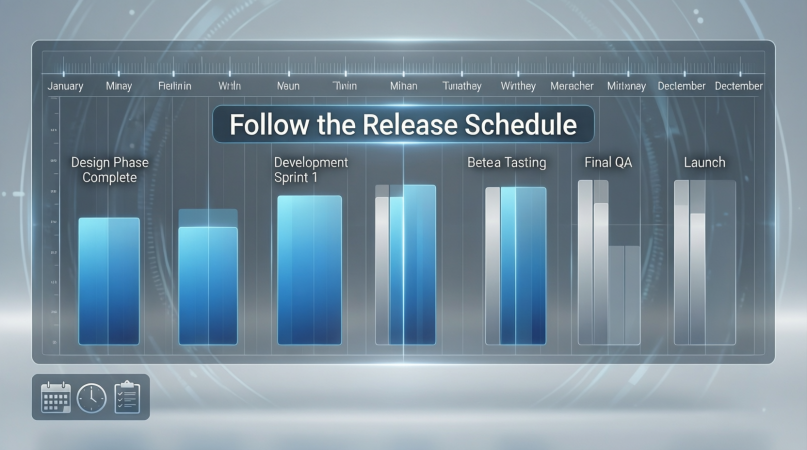
Most inflation updates are released on fixed dates. Monthly updates are common and provide fresh data. Knowing the schedule helps you stay prepared and informed.
Mark important release dates and review summaries rather than raw data. This saves time and avoids confusion.
Step 3: Compare Past and Present Data
Always compare current inflation updates with previous months or years. This comparison shows whether inflation is speeding up, slowing down, or staying stable.
Trends matter more than single numbers. A small rise over many months can signal bigger changes ahead.
Step 4: Connect Inflation to Daily Life
Inflation updates are not just numbers. Relate them to grocery bills, fuel costs, or rent changes. This connection makes the data meaningful and practical.
For example, rising food inflation explains higher supermarket bills. Falling inflation may signal relief ahead.
Step 5: Watch Policy Responses
After inflation updates are released, watch how authorities respond. Interest rate changes or policy statements often follow.
These responses influence savings, loans, and job markets. Understanding this link improves financial awareness.
Benefits of Inflation Updates
- Help people understand price changes clearly
- Support better budgeting and planning
- Guide businesses in pricing decisions
- Assist governments in policy making
- Protect savings by improving awareness
- Build confidence in financial choices
Disadvantages / Risks
- Can be confusing for beginners at first
- Short term data may cause panic
- Misinterpretation leads to poor decisions
- Overreaction to small changes is common
- Media headlines may exaggerate updates
Common Mistakes to Avoid
Many people make mistakes when following inflation updates. One common error is focusing only on headlines. Headlines often simplify or exaggerate data.
Another mistake is ignoring long term trends. Inflation should be viewed over time, not through one report. Also, people often confuse inflation with personal expenses only.
Finally, relying on rumors instead of official updates can lead to wrong conclusions. Always seek clear summaries and trusted explanations.
FAQs
What do inflation updates measure exactly?
Inflation updates measure changes in prices of goods and services over time. They track how purchasing power rises or falls.
How often are inflation updates released?
Most inflation updates are released monthly. Some detailed reports may appear quarterly or yearly.
Why do inflation updates affect interest rates?
Central banks use inflation updates to control price stability. High inflation often leads to higher interest rates.
Can inflation updates help with personal budgeting?
Yes, inflation updates help people plan expenses and adjust savings strategies based on price trends.
Are inflation updates the same in every country?
No, inflation updates differ by country. Each economy has unique price patterns and measurement methods.
Should beginners follow inflation updates regularly?
Yes, beginners should follow simple summaries. Regular tracking builds financial awareness over time.
Expert Tips & Bonus Points
Experts suggest focusing on trends, not single numbers. Always read explanations alongside data. Keep inflation updates in context with employment and growth data.
Another tip is to adjust spending habits slowly. Sudden changes often cause stress. Use inflation updates as guidance, not fear.
Finally, keep learning. The more you understand inflation updates, the better your financial decisions will become.
Conclusion
Inflation updates play a key role in modern financial life. They explain why prices change and how economic forces affect daily expenses. For beginners and intermediate readers, understanding these updates builds confidence and clarity.
Throughout this guide, we explored what inflation updates are, why they matter, and how to read them step by step. We also discussed benefits, risks, mistakes, and expert insights. When used correctly, inflation updates become a powerful tool rather than a source of confusion.
Instead of fearing rising prices, informed individuals prepare and adapt. By following inflation updates regularly, you can plan budgets, protect savings, and make smarter choices. Over time, this knowledge reduces stress and improves financial stability.
In a fast changing world, staying informed is essential. Inflation updates provide that information in a structured way. With patience and practice, anyone can understand them and use them wisely for a more secure financial future.
