

Introduction
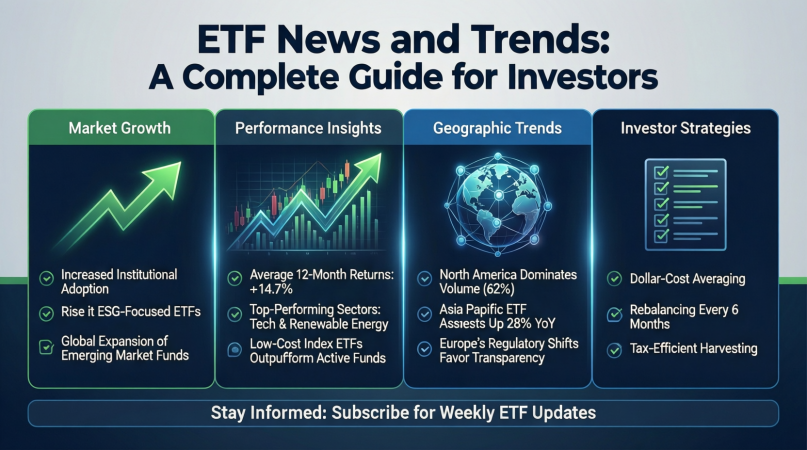
Exchange-Traded Funds, or ETFs, have become a cornerstone of modern investing. In recent years, the popularity of ETFs has surged, driven by their flexibility, low costs, and ability to offer diversification in one simple investment. Whether you are a beginner looking to start investing or an intermediate investor seeking to refine your portfolio, keeping up with ETF news and trends is essential.
Today, ETFs cover a broad range of asset classes, from stocks and bonds to commodities and niche markets. Investors can now access ETFs tracking specific sectors, countries, or even themes like technology, green energy, or artificial intelligence. Understanding the latest ETF trends helps investors make informed decisions, anticipate market shifts, and potentially maximize returns while managing risk.
This guide will explore everything you need to know about ETFs, including their definition, importance, step-by-step investment approach, benefits, risks, common mistakes, FAQs, and expert tips. By the end, you will have a clear understanding of ETFs, how to invest wisely, and how to stay updated with ETF news to grow your wealth efficiently. The goal is to empower you with practical knowledge so that ETFs can become a valuable part of your investment strategy.
What is an ETF?
An Exchange-Traded Fund (ETF) is a type of investment fund that holds a collection of assets, such as stocks, bonds, or commodities, and is traded on stock exchanges like individual shares. Unlike mutual funds, ETFs can be bought and sold throughout the trading day at market prices, giving investors flexibility and liquidity.
Key points about ETFs:
- ETFs can track indices (like the S&P 500), sectors, or commodities.
- They are designed to provide diversification without buying individual stocks.
- ETFs typically have lower fees compared to traditional mutual funds.
- Some ETFs are actively managed, but most follow a passive investment strategy.
For example, if you want to invest in technology stocks without picking individual companies, you can buy a technology-focused ETF. This way, you own a small portion of multiple tech companies, reducing the risk associated with investing in a single stock.
ETFs have become increasingly popular because they combine the benefits of mutual funds with the flexibility of stock trading, making them ideal for both beginners and experienced investors.
Why is ETF Important?
ETFs play a crucial role in modern investing due to their unique characteristics. Here are some reasons why ETFs are important:
- Diversification: Investing in a single ETF allows you to hold a basket of assets, spreading risk across multiple securities.
- Liquidity: ETFs can be traded during market hours, giving investors the ability to respond quickly to market changes.
- Cost Efficiency: Lower expense ratios make ETFs an affordable option for long-term investors.
- Transparency: Most ETFs disclose holdings daily, allowing investors to see exactly what they own.
- Accessibility: ETFs provide exposure to international markets, commodities, and niche sectors, which might otherwise be difficult for individual investors.
By following ETF news and trends, investors can identify emerging sectors, adjust their strategies, and take advantage of new investment opportunities. For example, thematic ETFs focusing on renewable energy or artificial intelligence have gained attention due to global trends in sustainability and technology innovation.
Detailed Step-by-Step Guide to Investing in ETFs
Investing in ETFs can be straightforward if you follow a structured approach. Here’s a step-by-step guide:
Step 1: Define Your Investment Goals
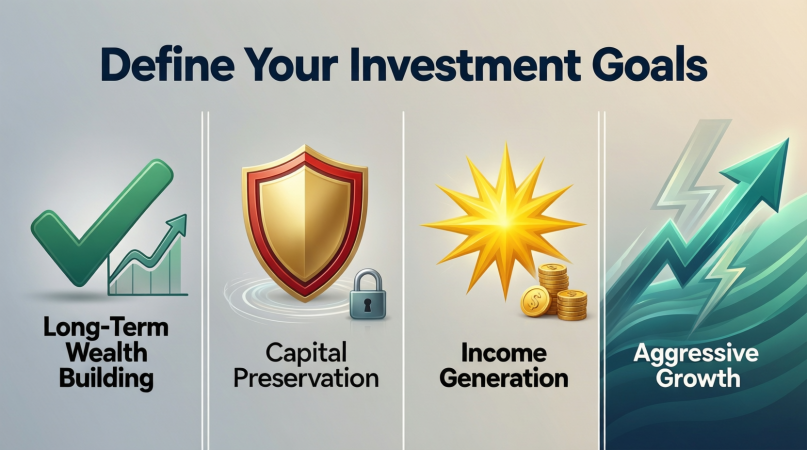
Before buying any ETF, determine your objectives:
- Are you seeking long-term growth, income, or capital preservation?
- What is your risk tolerance?
- How much capital are you willing to invest?
Clear goals help you choose the right type of ETF that aligns with your financial plan.
Step 2: Research ETF Options
There are thousands of ETFs available. To find the right one:
- Compare performance history over 1, 3, and 5 years.
- Look at expense ratios (lower is usually better).
- Understand the assets held in the ETF.
- Review trading volume for liquidity.
Websites, financial news, and brokerage platforms provide ETF data, but always focus on reliability and accuracy.
Step 3: Choose Between Passive and Active ETFs
- Passive ETFs: Track a specific index (e.g., S&P 500). Ideal for long-term investors who prefer steady growth and lower fees.
- Active ETFs: Managed by professionals aiming to outperform an index. These often have higher fees but may provide higher returns in certain market conditions.
Step 4: Open a Brokerage Account
To trade ETFs, you need a brokerage account. Compare options based on:
- Trading fees
- Platform usability
- Research tools
- Customer service
Many online brokers now offer commission-free ETF trading, making it easier for beginners to start.
Step 5: Decide on Investment Amount
- Diversify by investing in multiple ETFs rather than putting all funds in one.
- Use a dollar-cost averaging strategy to invest gradually, reducing the impact of market volatility.
Step 6: Monitor Your Investments
- Keep track of ETF performance and news affecting underlying assets.
- Rebalance your portfolio periodically to maintain your desired asset allocation.
- Stay informed about trends like sector growth, interest rate changes, or geopolitical developments that may impact ETFs.
Step 7: Exit Strategy
- Decide in advance when to sell: target price, market conditions, or financial goals.
- Avoid emotional decisions based on short-term market fluctuations.
Benefits of ETFs
Investing in ETFs offers numerous advantages:
- Diversification: Access multiple assets in one investment.
- Lower Costs: Expense ratios are generally lower than mutual funds.
- Liquidity: Trade ETFs like stocks throughout the day.
- Flexibility: Available across stocks, bonds, commodities, and niche markets.
- Transparency: Holdings are disclosed regularly.
- Tax Efficiency: ETFs often generate fewer capital gains taxes.
- Accessibility: Open to small investors with limited capital.
For example, buying an S&P 500 ETF provides exposure to 500 companies, reducing the impact of one company’s poor performance.
Disadvantages / Risks of ETFs
While ETFs are convenient, they are not risk-free:
- Market Risk: The value can decrease if the market declines.
- Tracking Error: ETFs may not perfectly match the index they track.
- Liquidity Risk: Some niche ETFs have lower trading volume.
- Expense Ratios: Actively managed ETFs may have higher fees.
- Sector Risk: Concentrated ETFs (e.g., tech or energy) can be volatile.
- Overtrading Risk: Easy trading may encourage short-term speculation, leading to losses.
Understanding these risks helps investors create a balanced portfolio and make informed decisions.
Common Mistakes to Avoid
To maximize ETF investing success, avoid these pitfalls:
- Ignoring Fees: Even small expense ratios can erode returns over time.
- Lack of Diversification: Concentrating on one ETF increases risk.
- Chasing Performance: Buying ETFs solely based on recent gains can be risky.
- Ignoring Tax Implications: Be aware of capital gains and dividend taxes.
- Trading Too Frequently: Overtrading increases costs and may reduce profits.
- Not Following News and Trends: Ignoring ETF developments can lead to missed opportunities.
FAQs
1. What is the difference between ETFs and mutual funds?
ETFs trade like stocks during the day, while mutual funds are priced once daily. ETFs usually have lower fees and offer greater flexibility.
2. Can beginners invest in ETFs?
Yes. ETFs are beginner-friendly because they provide diversification, low costs, and easy trading options.
3. Are ETFs safe investments?
No investment is completely safe. ETFs carry market risk, but diversification often reduces risk compared to individual stocks.
4. How do I choose the right ETF?
Consider your investment goals, risk tolerance, asset class, expense ratio, and trading volume. Research the ETF’s holdings and performance history.
5. Can I lose money in ETFs?
Yes. ETFs’ value depends on the underlying assets. Market downturns can result in losses.
6. What are the tax benefits of ETFs?
ETFs are generally tax-efficient because they use an “in-kind” creation and redemption process, reducing capital gains distributions.
7. How often should I check ETF performance?
Regular monitoring is recommended, but avoid daily obsession. Quarterly or semi-annual reviews are sufficient for long-term investors.
8. Are sector ETFs more risky?
Yes. Concentrated exposure to one sector increases volatility and potential risk compared to broad market ETFs.
Expert Tips & Bonus Points
- Stay Updated with ETF News: Follow financial news and updates on new ETFs to spot emerging opportunities.
- Use Dollar-Cost Averaging: Invest consistently to reduce the impact of market fluctuations.
- Diversify Across Asset Classes: Mix equities, bonds, and commodities ETFs to balance risk.
- Check Liquidity: Prefer ETFs with higher trading volumes to avoid slippage.
- Review Fees Regularly: Keep an eye on expense ratios and brokerage charges.
- Leverage Thematic ETFs Carefully: Trends like AI or renewable energy ETFs can offer growth but may be volatile.
- Use Stop-Loss Orders: Protect your investments from sudden market drops.
- Rebalance Annually: Maintain your target asset allocation for consistent growth.
Conclusion
ETFs have transformed the way people invest by offering simplicity, diversification, and flexibility. For both beginners and intermediate investors, understanding ETF news and trends is essential to make informed investment decisions.
By learning what ETFs are, why they matter, and how to invest wisely, you can create a portfolio that balances risk and reward. Paying attention to emerging trends, sector developments, and new fund launches allows you to seize opportunities while managing potential risks.
Remember to define your goals, research thoroughly, monitor your investments, and avoid common mistakes. With the right approach, ETFs can serve as a powerful tool to grow wealth over time, providing access to diverse markets and assets that were once difficult for individual investors.
Investing in ETFs is not just about following the market—it’s about making smart, informed choices, staying updated, and using a disciplined strategy to achieve financial goals. By applying the steps, tips, and strategies discussed in this guide, you can navigate the world of ETFs with confidence and build a portfolio that works for you in 2026 and beyond.
